
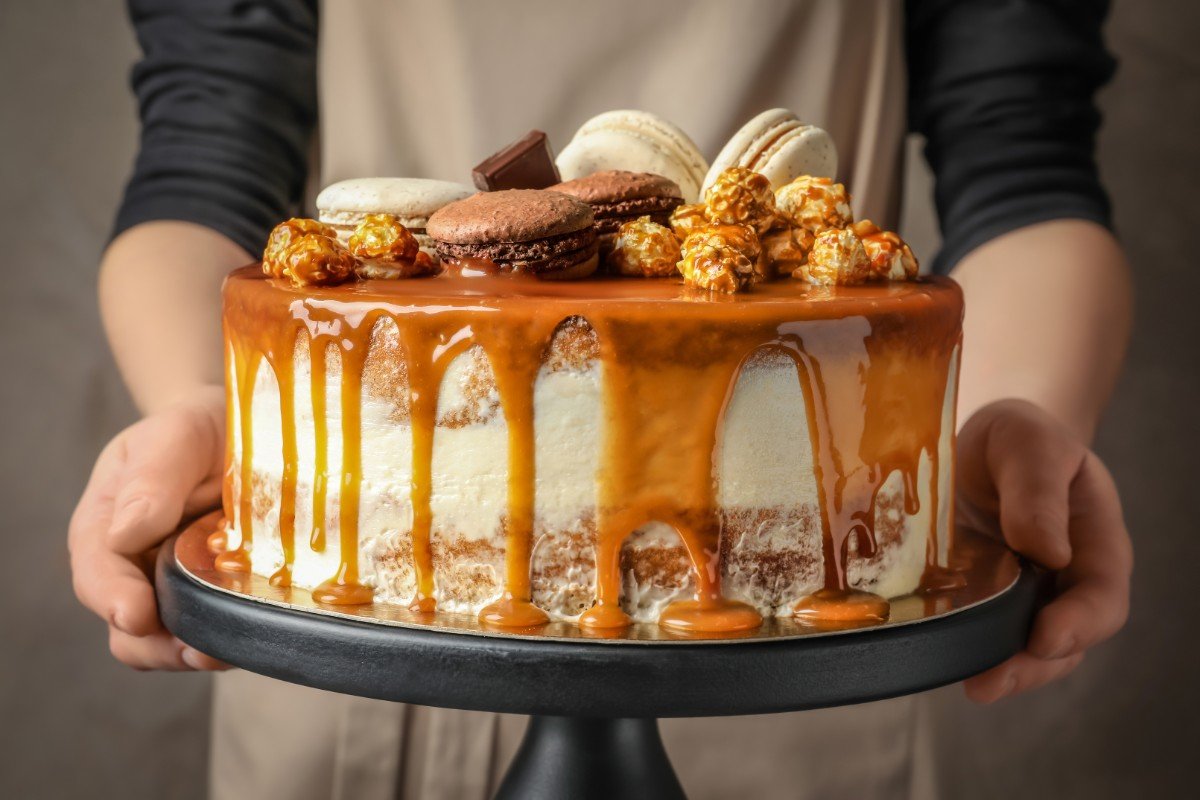
Fricassee cake, a delightful dessert that straddles the line between a rich, buttery cake and a tender, flaky pastry, is a culinary gem that has enchanted taste buds for generations. Its origins, while somewhat murky, are often traced back to the European tradition of fricassee cooking, which involves stewing or braising pieces of meat in a white sauce. The cake version, however, swaps out the savory for the sweet, incorporating a luxurious blend of butter, sugar, and flour to create a dessert that’s both sumptuous and surprisingly light.
What sets fricassee cake apart from its dessert counterparts is not just its name, which hints at a savory past, but its unique texture and flavor profile. The process of creating a fricassee cake involves a meticulous method of folding and layering, akin to making puff pastry, which results in a final product that boasts a layered, airy texture, with each bite melting in your mouth.
In the following sections, we will dive into the cultural significance of this delightful dessert, exploring its roots and the various ways it has been adapted across cultures. We will also provide a detailed guide on how to bake your own fricassee cake, including key ingredients, step-by-step instructions, and tips for ensuring your cake is as delectable as it is beautiful. Whether you’re a seasoned baker or new to the joys of baking, the fricassee cake offers a unique challenge with a deliciously rewarding outcome.
The Cultural Significance of Fricassee Cake
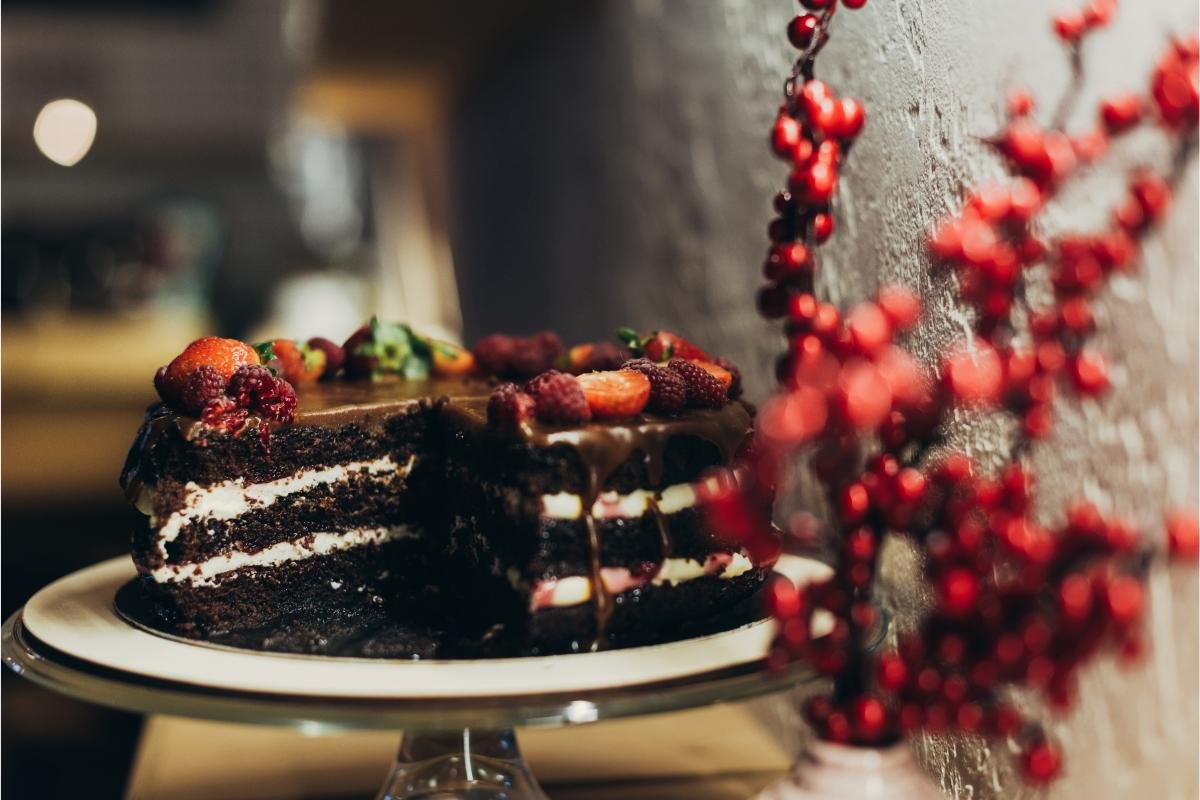
Fricassee cake, with its rich history and diverse variations, embodies the culinary traditions of several cultures. This section delves into the geographic origins of fricassee cake, explores its traditional variations, and highlights the occasions and celebrations where this cake takes center stage.
Geographic Origins
The roots of fricassee cake trace back to Europe, where the art of fricassee—cooking meat in a creamy sauce—originated. This culinary technique, favored for its ability to tenderize and enrich the flavor of meat, soon inspired a sweet counterpart. Countries like France and Italy, renowned for their pastry and baking traditions, began experimenting with layered, butter-rich cakes that mirrored the technique used in savory fricassee dishes. Over time, this experimentation led to the birth of fricassee cake, a dessert that combines the flakiness of pastry with the richness of cake.
Traditional Variations
As fricassee cake made its journey across continents, various cultures adopted and adapted the recipe, infusing it with local flavors and ingredients. In some regions, the cake evolved to include fruit fillings, such as apples or berries, adding a tart contrast to the buttery layers. Other variations saw the addition of nuts or spices, reflecting local tastes and available ingredients. For example, a Mediterranean version might include almonds and honey, while a Nordic variation could feature cardamom and lingonberry.
Occasions and Celebrations Associated with It
Fricassee cake’s versatility and elegance have made it a favorite for numerous occasions. From small family gatherings to grand celebrations, this cake has a way of marking moments with its presence. In many cultures, fricassee cake is a staple at weddings, symbolizing sweetness and richness in the couple’s future. It’s also popular during holiday seasons, especially Christmas and Easter, when families come together to share meals and create memories. Moreover, fricassee cake often finds its place at afternoon tea events, serving as a sophisticated accompaniment to fine teas and coffees.
Key Ingredients and Substitutions for Fricassee Cake
Crafting the perfect fricassee cake begins with understanding its foundational components. This section explores the essential ingredients needed to bake this delightful cake, offering substitutions to cater to various dietary preferences, including vegan and gluten-free options.
Essential Ingredients for Classic Fricassee Cake
- Butter: The backbone of the fricassee cake, providing moisture and rich flavor. For the best results, use unsalted butter at room temperature.
- Sugar: White granulated sugar is typically used for its ability to cream well with butter, contributing to the cake’s tender crumb.
- Eggs: They bind the ingredients together, adding structure and richness to the cake.
- Flour: All-purpose flour is the standard choice for creating a soft, tender texture. It’s responsible for the cake’s structure.
- Baking Powder: This leavening agent ensures the cake rises properly, creating a light and airy texture.
- Milk: Adds moisture and helps to combine all the ingredients smoothly. Whole milk is preferred for its fat content, which contributes to the cake’s richness.
- Vanilla Extract: A dash of vanilla adds a warm, aromatic flavor that complements the buttery taste of the cake.
Substitutions for Dietary Restrictions
- Vegan Options:
- Butter: Substitute with vegan butter or coconut oil to keep the cake dairy-free without compromising its texture.
- Eggs: Use flax eggs (a mixture of ground flaxseed and water) or commercial egg replacers available in health food stores.
- Milk: Any plant-based milk, such as almond, soy, or oat milk, works well as a dairy-free alternative.
- Gluten-Free Adaptations:
- Flour: Replace all-purpose flour with a gluten-free flour blend designed for baking. Make sure it includes xanthan gum or add it separately to mimic the texture and structure of gluten-containing cakes.
- Reducing Sugar:
- For those looking to decrease the sugar content, consider using coconut sugar or a sugar substitute that is designed for baking. Be mindful of the conversion rates, as they can vary between products.
Flavor Variations and Additions
To add a unique twist to your fricassee cake, consider incorporating the following:
- Citrus Zest: Lemon, lime, or orange zest can add a fresh, zesty flavor that brightens the overall taste of the cake.
- Spices: A pinch of cinnamon, nutmeg, or cardamom can introduce a warm, complex flavor profile.
- Dried Fruits and Nuts: Fold in chopped nuts or dried fruits like raisins, cranberries, or apricots for added texture and flavor.
Step-by-Step Baking Guide for Fricassee Cake
Creating a fricassee cake from scratch is a rewarding baking adventure that combines traditional techniques with the simple pleasure of homemade cake. This step-by-step guide will walk you through the process, ensuring a delicious result that’s perfect for any occasion.
Preparing Your Ingredients
- Gather Ingredients: Start by collecting all the necessary ingredients. Having everything ready before you begin simplifies the process.
- Room Temperature Components: Ensure that your butter, eggs, and milk are at room temperature to achieve a smooth batter.
- Preheat Your Oven: Set your oven to 350°F (175°C). This allows the oven to reach the ideal temperature by the time your batter is ready.
Mixing the Batter
- Cream Butter and Sugar: In a large mixing bowl, beat the butter and sugar together until the mixture is pale and fluffy. This introduces air into the batter, contributing to a lighter cake.
- Add Eggs and Vanilla: Beat in the eggs, one at a time, ensuring each is fully incorporated before adding the next. Stir in the vanilla extract for flavor.
- Combine Dry Ingredients: In a separate bowl, whisk together the flour and baking powder.
- Alternate Dry Ingredients and Milk: Add the dry ingredients to the butter mixture in three parts, alternating with milk. Start and end with the dry ingredients. Mix until just combined; overmixing can lead to a dense cake.
Baking the Cake
- Prepare the Pan: Grease a 9-inch round cake pan or a similar-sized baking dish. Line the bottom with parchment paper for easy removal.
- Pour the Batter: Transfer the batter to the prepared pan, smoothing the top with a spatula.
- Bake: Bake in the preheated oven for 30-35 minutes or until a toothpick inserted into the center comes out clean.
- Cool: Allow the cake to cool in the pan for 10 minutes before transferring it to a wire rack to cool completely. This prevents the cake from becoming soggy.
Tips for a Perfect Fricassee Cake
- Even Mixing: When combining ingredients, mix until just incorporated. Overmixing can affect the texture of the cake.
- Check Oven Temperature: Oven temperatures can vary. Use an oven thermometer to ensure accurate baking conditions.
- Don’t Overbake: Keep an eye on your cake as it nears the end of baking time. Overbaking can dry out your cake.
Decoration and Serving Suggestions for Fricassee Cake
Once your fricassee cake has cooled and is ready to be transformed into a visual and culinary delight, the decoration phase begins. This stage is where creativity shines, allowing you to personalize the cake for any event or preference. Below are ideas and tips for decorating and serving your fricassee cake to impress your guests and make your gathering memorable.
Elegant Icing Options
- Simple Sugar Glaze: For a quick and elegant finish, whisk together powdered sugar with a few tablespoons of milk or lemon juice until you achieve a pourable consistency. Drizzle over the top of the cake, allowing it to naturally drip down the sides.
- Buttercream Frosting: For a richer option, beat together softened butter with powdered sugar, a splash of vanilla, and a few tablespoons of milk until smooth and fluffy. Color with food coloring if desired, and use to cover the cake or pipe decorative designs.
- Cream Cheese Frosting: Blend softened cream cheese with butter, powdered sugar, and vanilla extract for a tangy, smooth frosting that pairs wonderfully with the cake’s buttery flavor.
Creative Topping Ideas
- Fresh Fruit: Top your cake with a vibrant selection of fresh berries, sliced peaches, or citrus segments for a refreshing, colorful finish.
- Edible Flowers: For a touch of elegance, garnish your cake with edible flowers such as violets, roses, or marigolds, ensuring they are pesticide-free.
- Nuts and Seeds: Sprinkle chopped almonds, pistachios, or sesame seeds over the frosting for added texture and a nutty flavor contrast.
Presentation Tips
- Serving Platter: Transfer your decorated cake to a stylish serving platter or cake stand to elevate its appearance.
- Powdered Sugar Dusting: For a simple yet sophisticated look, lightly dust the top of your cake with powdered sugar just before serving.
- Slicing: Use a sharp, thin-bladed knife to cut clean slices. Wiping the blade between cuts ensures each piece looks neat.
Pairing with Beverages
- Coffee and Tea: Serve your fricassee cake with freshly brewed coffee or a selection of teas. The cake’s buttery richness pairs beautifully with the bitterness of coffee or the aromatic flavors of tea.
- Dessert Wines: For a more decadent pairing, select a dessert wine such as a Riesling, Sauternes, or Port. The sweetness of the wine complements the cake’s flavors perfectly.
- Milk or Almond Milk: A classic pairing, cold milk or its almond counterpart offers a refreshing contrast to the cake’s sweetness, making it an excellent choice for all ages.
Common Mistakes and Troubleshooting for Fricassee Cake
Baking a fricassee cake, like any culinary endeavor, can sometimes present challenges. Knowing how to identify and rectify common baking mistakes can turn a potential disaster into a delicious success. This section outlines frequent issues bakers may encounter and offers practical solutions to ensure your fricassee cake turns out perfectly every time.
Cake Is Too Dry
- Cause: Overbaking is a common reason for dryness. Alternatively, too little fat or liquid might have been used.
- Solution: Check your cake a few minutes before the recommended baking time, especially if your oven runs hot. Ensure accurate measurements of wet ingredients and consider adding a bit more milk or butter if the batter seems too thick.
Cake Is Underbaked in the Middle
- Cause: The oven temperature might be too high, causing the cake to cook too quickly on the outside while remaining raw inside. Alternatively, the cake might not have been baked long enough.
- Solution: Lower the oven temperature and increase baking time. Use an oven thermometer to ensure accurate temperature settings. Always perform the toothpick test before removing the cake from the oven.
Didn’t Rise
- Cause: Expired leavening agents, improper mixing, or opening the oven door too early can lead to a cake that doesn’t rise.
- Solution: Check the expiration date on your baking powder before starting. Mix the batter just until the ingredients are combined to avoid deflating the mixture. Avoid opening the oven door until the cake has set.
It is Too Dense
- Cause: Overmixing the batter can develop the gluten in the flour too much, leading to a dense texture. Incorrect ratios of dry to wet ingredients can also be a factor.
- Solution: Gently fold the dry ingredients into the wet until just combined. Double-check ingredient ratios for accuracy.
Cracks on the Cake Surface
- Cause: A too-hot oven can cause the cake to rise too quickly, then crack.
- Solution: Ensure your oven temperature is accurate with an oven thermometer. Position the cake in the center of the oven where the heat is most even.
How to Ensure Moistness and Flavor
- Use Quality Ingredients: Fresh, high-quality ingredients contribute significantly to the cake’s flavor and texture.
- Add a Simple Syrup Soak: Brushing your baked cake with a light simple syrup (equal parts water and sugar, heated until the sugar dissolves) can add moisture and sweetness.
- Don’t Skimp on Fat: Butter plays a crucial role in the cake’s moisture and flavor. Use the full amount specified in the recipe.
FAQs About Fricassee Cake
Even with a detailed guide, there might still be questions about the nuances of baking and customizing a fricassee cake. This section addresses some frequently asked questions, providing additional clarity and tips to enhance your baking experience.
What Makes Fricassee Cake Different from Other Cakes?
- Unique Texture: Fricassee cake is known for its tender crumb and layered texture, akin to a cross between a traditional cake and pastry. This texture is achieved through specific mixing and baking techniques.
- Rich Flavor: The combination of butter, sugar, and vanilla, along with the method of preparation, gives this cake a rich and satisfying flavor that’s distinct from more straightforward sponge or butter cakes.
Can Fricassee Cake Be Made in Advance?
- Preparation: Yes, fricassee cake can be made in advance. It stores well and, in some cases, may even taste better the next day as the flavors have time to meld.
- Storing: Wrap the cooled cake in plastic wrap and store it at room temperature for up to 2 days or refrigerate it for up to 5 days. For longer storage, freeze the cake without any icing or frosting.
How Can I Make My Fricassee Cake More Moist?
- Ingredients: Ensure you’re using the correct amounts of butter and eggs, as these contribute to the cake’s moisture.
- Simple Syrup: Brush the baked cake layers with simple syrup before assembling and frosting. This adds moisture and can also enhance the flavor.
- Do Not Overbake: Keep a close eye on the baking time and test for doneness early to prevent drying out.
Is It Possible to Add Fruits or Nuts to the Cake?
- Adaptability: Absolutely! Fricassee cake is quite adaptable to additions like fruits and nuts. Fold in diced fruits or nuts gently into the batter before baking.
- Suggestions: Berries, chopped apples, pears, or almonds and walnuts make excellent additions. Be mindful of the moisture content in fresh fruits, as it can affect the baking time.
Can Fricassee Cake Be Frozen?
- Freezing: Yes, fricassee cake freezes exceptionally well. Wrap the cake layers individually in plastic wrap and then in foil to protect them from freezer burn.
- Thawing: To thaw, unwrap the layers and let them sit at room temperature for several hours or overnight. This ensures the cake returns to its original texture without any sogginess.
How to Customize the Flavor of My Fricassee Cake?
- Extracts and Zests: Incorporate different extracts like almond, lemon, or orange to the batter. Citrus zests can also add a bright, aromatic note.
- Spices: Spices such as cinnamon, nutmeg, or cardamom can be added to the batter for a warm flavor profile that complements the buttery taste of the cake.
Conclusion: Your Fricassee Cake Adventure
As we wrap up our fricassee cake guide, we see it’s not just about making a dessert. It’s a deep dive into the art of baking. This journey invites both experienced bakers and novices to explore creativity and technique. Every step from selecting ingredients to the final decoration offers a chance to learn and perfect your craft.
Fricassee cake, rich in history and flavor, allows for endless creativity. Our guide aims to inspire confidence. We’ve shared essential tips to enhance your baking experience. Moreover, each attempt at this cake invites you to infuse personal touches, making every creation uniquely yours.
Baking is a celebration of joy. It brings happiness not only through the flavors but also through the act of creation itself. With fricassee cake as your canvas, you’re set to explore the vast possibilities of baking.
For more culinary inspiration, visit recipeszap.com. Our site is a hub for recipes that range from timeless classics to innovative dishes. It’s designed to spark your cooking and baking imagination.
In baking, every cake tells a story, and every baker has a unique voice. Let your fricassee cake showcase your passion and creativity. Here’s to discovering the joy in every bake and sharing delicious moments. Happy baking!